How an esusu collection business works
There are two common models:
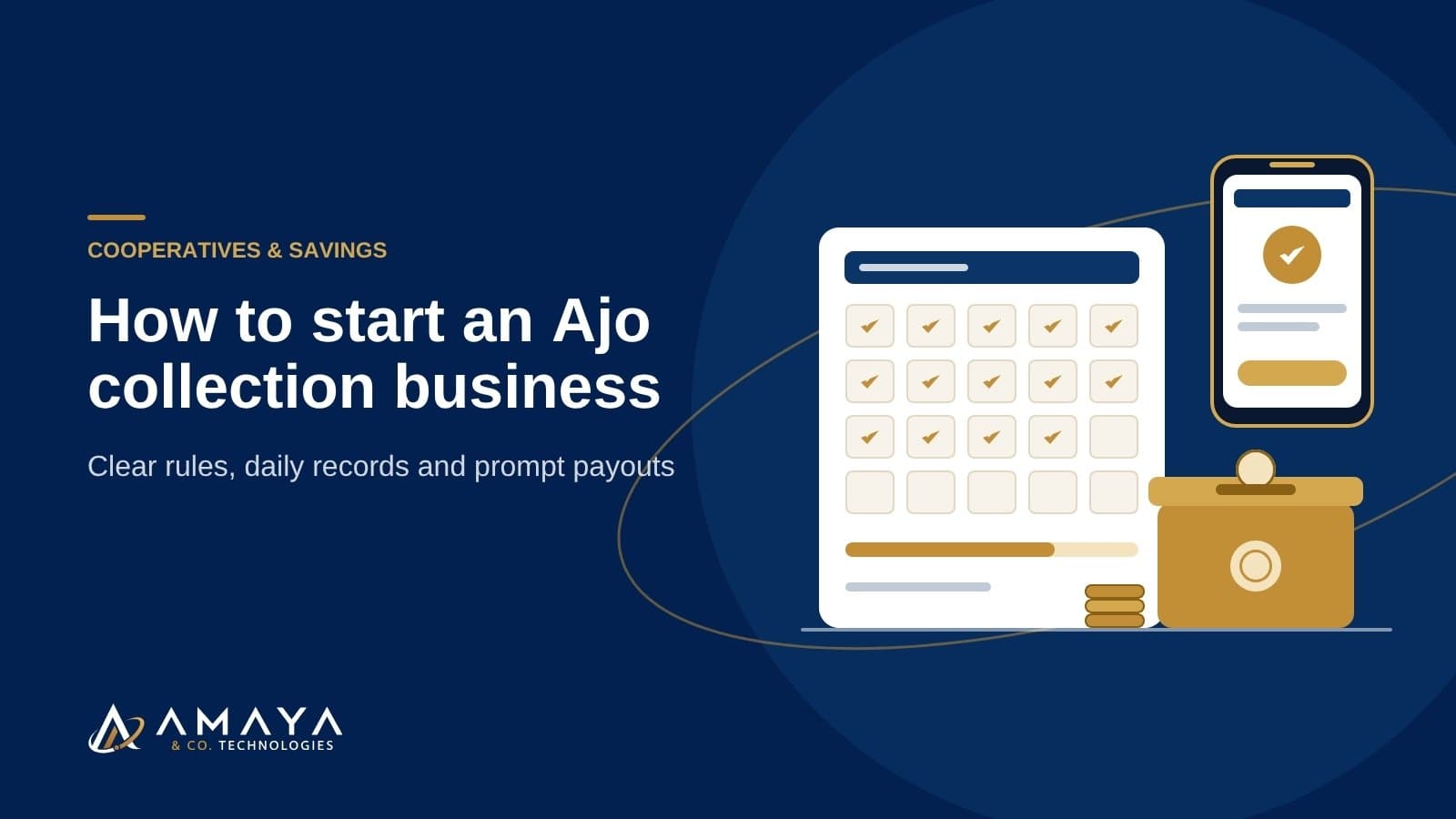
- Personal savings (daily Ajo): each client saves a fixed amount every day for a cycle — often a month — and collects their total at the end, minus the collector's fee.
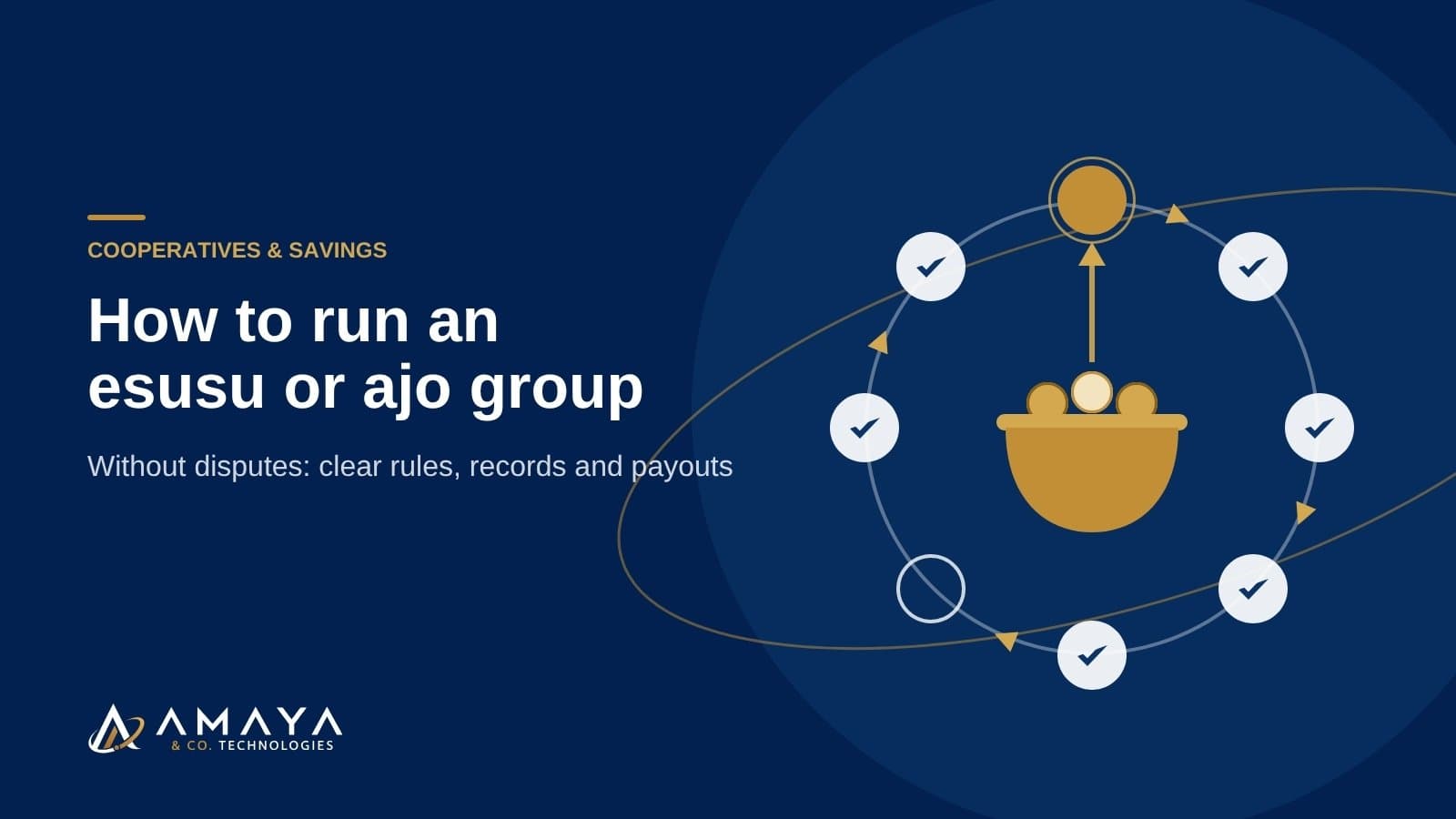
- Group rotation (Esusu): a group contributes a fixed amount each period, and one member collects the whole pot each round until everyone has had a turn. (See our guide to running an esusu or ajo group without disputes.)
Many collectors run both.
How collectors earn
Agree the fee clearly with every client before they start. Common models are:
- First contribution per cycle — the traditional model: the collector keeps one day's contribution from each cycle. On a ₦2,000-a-day card over a 31-day month, the collector keeps ₦2,000 and the client takes home ₦60,000.
- A percentage — the collector keeps an agreed percentage of what the client saves.
- A one-off registration fee — some collectors charge new clients once, taken from their first deposit.
- No fee — for family members or special arrangements.
Whatever you choose, write it down, explain it at registration, and apply it the same way to everyone.
Step 1: Set clear rules from day one
Give each client a simple written summary of:
- The daily (or weekly) amount and the cycle length.
- Your fee and how it is calculated.
- When and how they can collect their savings, and what happens if they want to withdraw early.
- What happens if they miss days.
Step 2: Record every contribution, every day
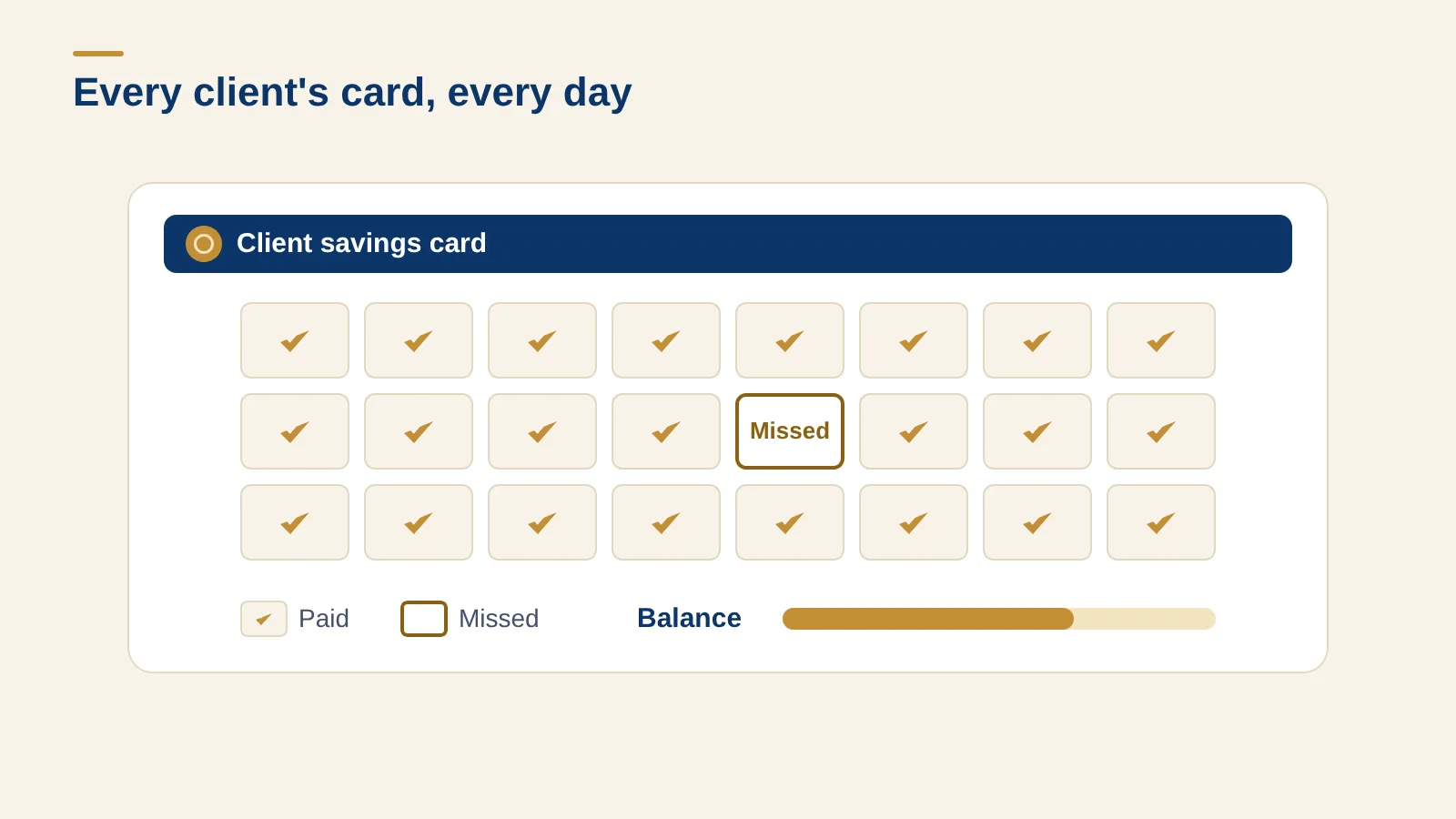
Your records are your business. For every client, every day, record the amount received, the date and how it was paid. Each client should be able to see their own card — paid days, missed days and their current balance — at any time.
Disputes almost always come from one question: "How much have I saved?" If you can answer it instantly and the client can check it, most disputes never start.
Step 3: Reduce cash risk
Carrying large amounts of cash around a market is the biggest risk in this business.
- Bank your collections daily, or take contributions by transfer or wallet payment where possible.
- Never mix collections with your personal money, and never spend clients' savings, even "for a few days".
- Vary your routine and avoid announcing how much you are carrying.
Step 4: Only pay out what you have collected
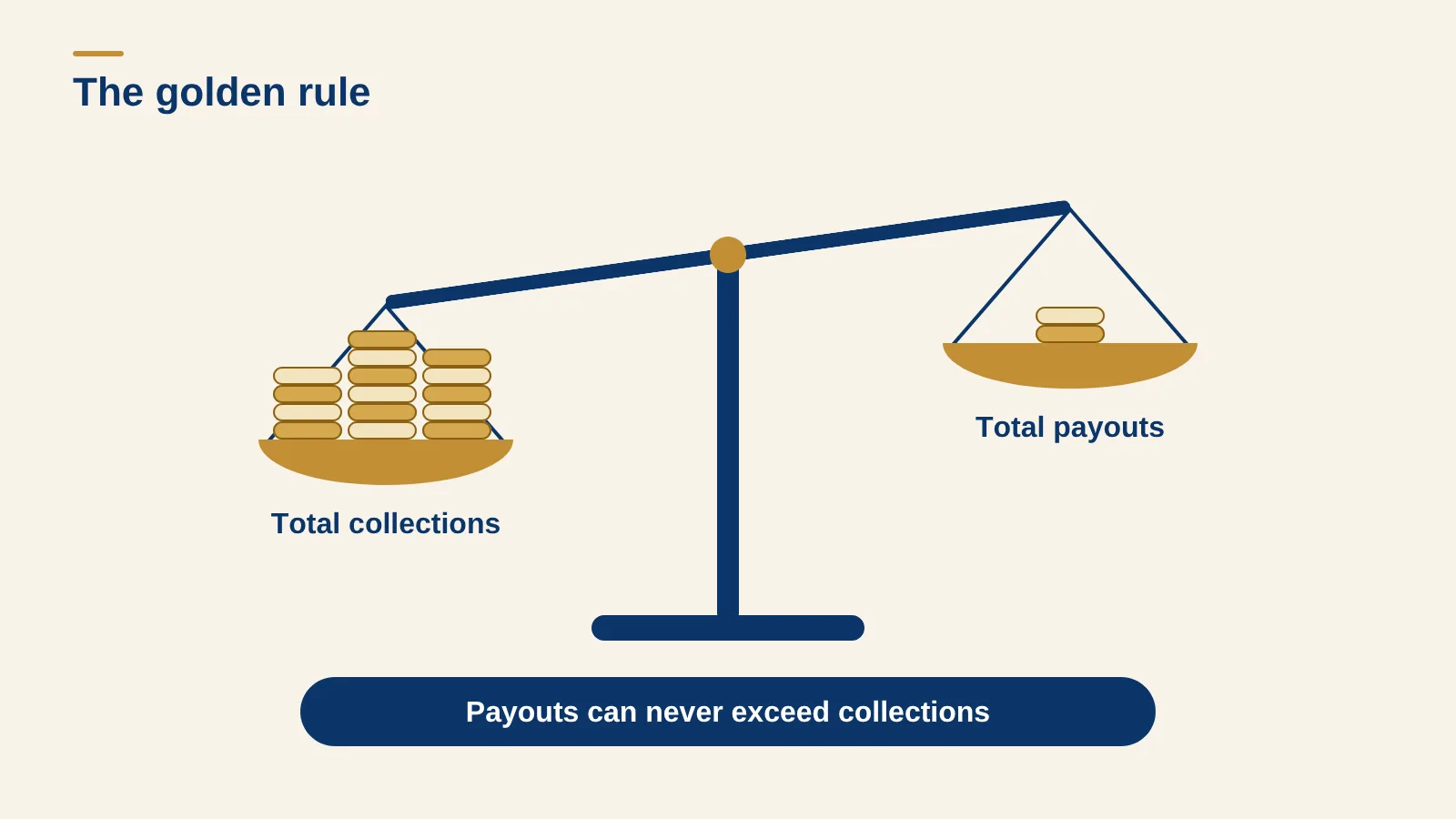
Never promise a client more than they have saved, and never pay out before the money is in. A simple rule protects you: total payouts can never exceed total collections. If you lend money to clients, keep that completely separate from their savings — and understand the risk you are taking.
Step 5: Know the rules where you work
Taking money from the public for safekeeping can be regulated, and the rules differ by country and sometimes by state or city. Some areas have associations or registers for thrift collectors. Check what applies to you, and do not promise interest or investment returns on clients' savings — that turns a savings service into something else entirely.
Step 6: Grow through trust
Your reputation is your marketing. Collectors who are on time every day, pay out promptly at the end of each cycle and can show clear records get referrals. One lost or disputed payout can undo years of trust.
Running it on your phone
As your client list grows, a notebook becomes hard to manage — and impossible for clients to check. KudiAI Track is built for exactly this business:
- Ajo and Esusu management for daily, weekly or monthly cycles, with registration fees and commission models (first contribution, percentage or none) calculated for you.
- Payout safeguards — payouts can never exceed what was collected, and withdrawals need approval.
- A client portal where each saver follows their own savings card, contributions and payout date.
- Wallet collection, so clients can pay from their own wallet instead of handing over cash.
- Overdue reminders by push, email and SMS.
Book a demo to see how collectors use it, or talk to us about cooperative digitisation for larger savings groups.
An esusu collection business lasts as long as clients trust it — clear rules, daily records and prompt payouts are what earn that trust.